RFID Basics
How RFID Inventory Counting Works in a Retail Store
A plain English walkthrough of how RFID tags, handheld readers, and inventory software replace item by item scanning with much faster cycle counts.

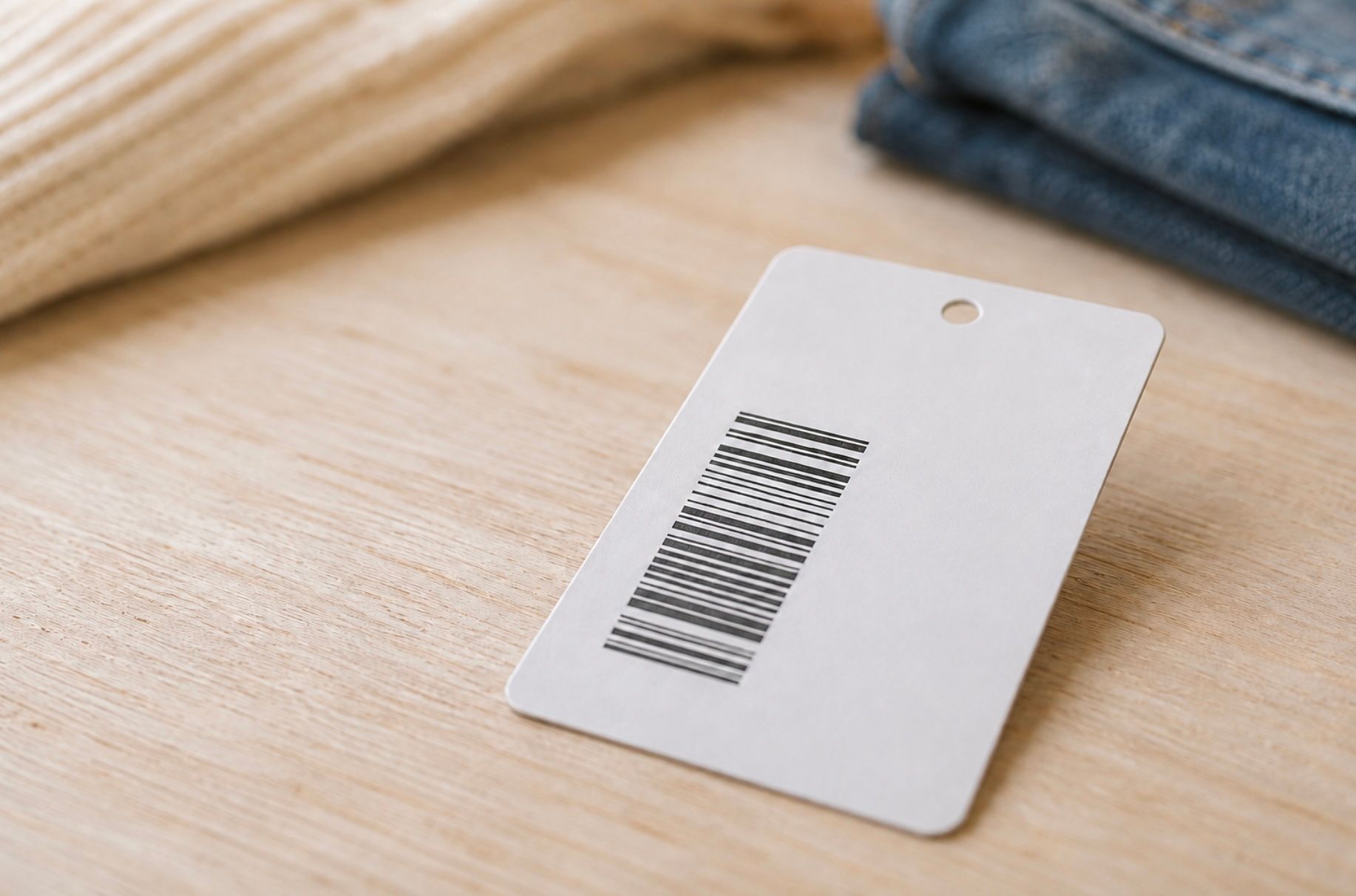
Most retailers still count inventory the way stores did decades ago. A team works through the floor and the stockroom with clipboards or barcode scanners, one item at a time, line of sight required for every read. It is slow, it pulls staff off the sales floor, and the count is out of date almost as soon as it finishes.
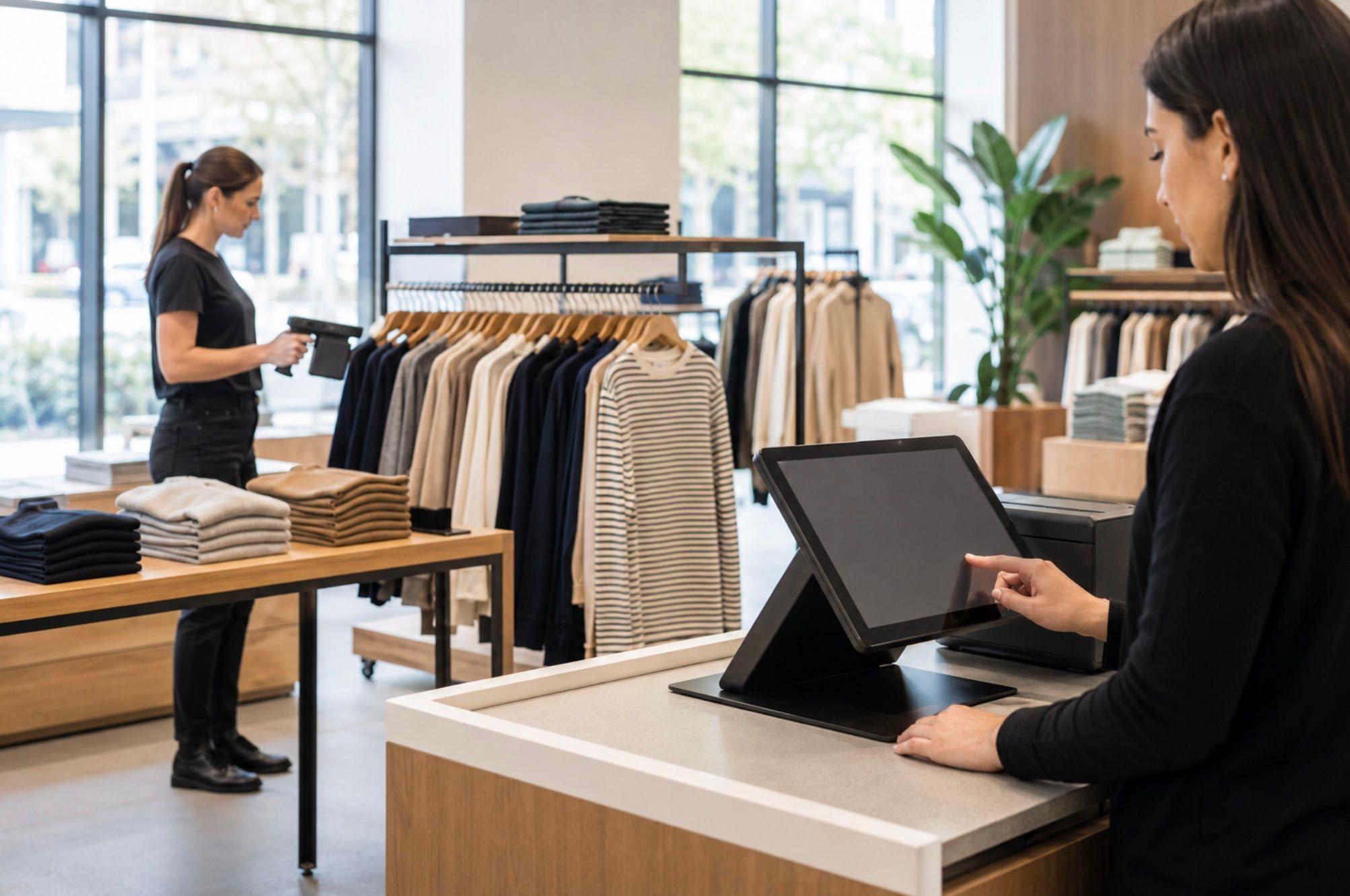
RFID changes the mechanics of that job. Instead of scanning one barcode at a time, a single pass with a handheld reader can capture hundreds of tagged items at once, without needing to see or touch any of them. Here is what is actually happening underneath.
The three pieces of an RFID count
Every RFID inventory system comes down to three parts working together.
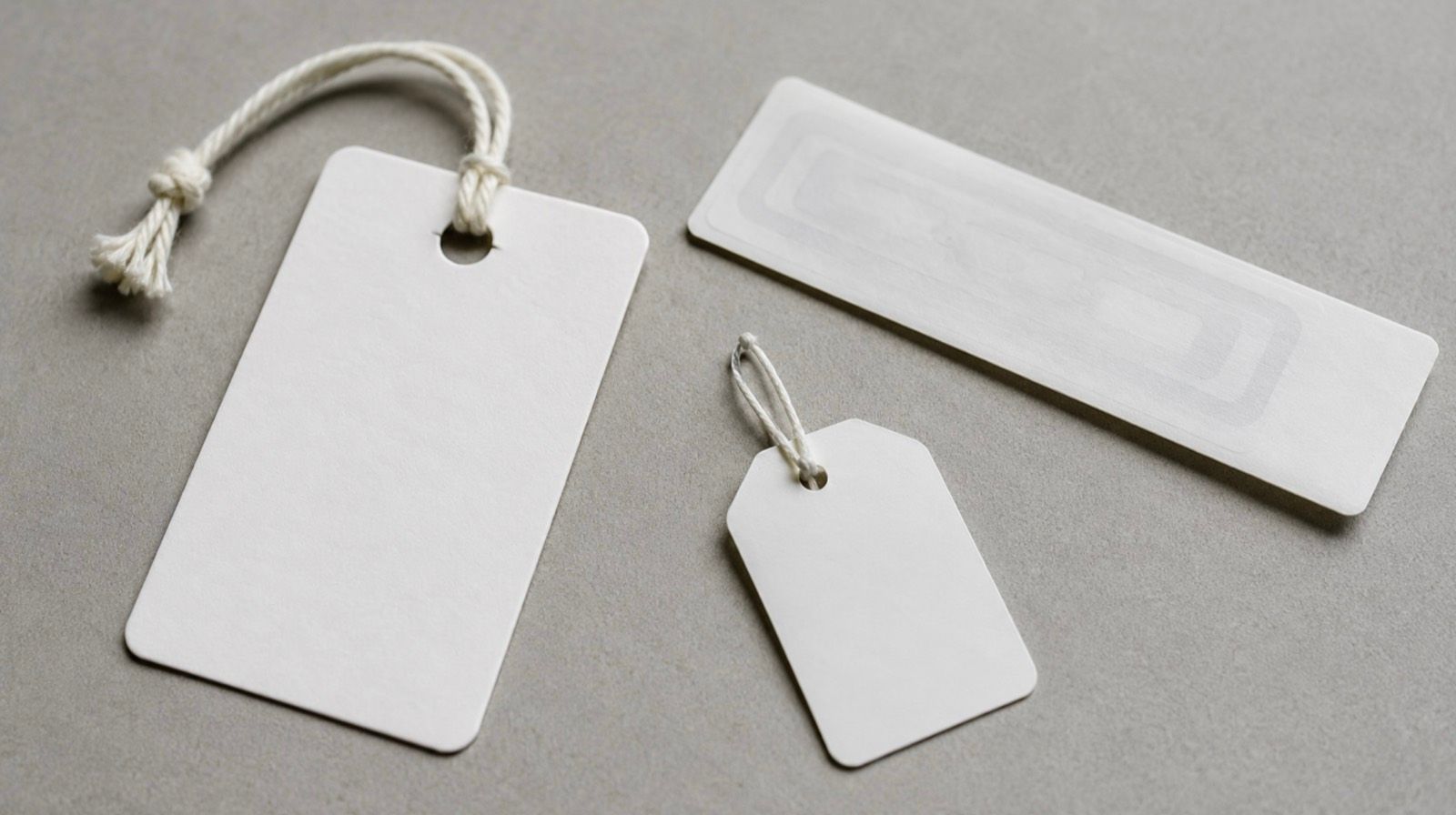
- The tag. A small label with a printed face and an embedded antenna and chip. Each tag holds a unique identifier. Nothing is stored in the cloud yet, the identity lives on the item.
- The reader. A handheld device that sends out a radio signal and listens for tags to answer back. One sweep energizes every tag in range at the same time.
- The software. The system that collects the reads, matches them against your item list, and tells you what is present, what appears to be missing, and where the count differs from your records.
The C8001 handheld reader and the C8102 apparel hangtag are an example of the first two pieces working as a pair, with indexRFID software handling the third.
What happens during a read
UHF RFID tags are passive, which means they carry no battery. When the reader transmits, the tag’s antenna harvests a tiny amount of energy from that radio signal, just enough to power the chip long enough to broadcast its identifier back. The reader can do this for many tags per second across a wide area.
That is why an RFID count is so much faster than a barcode count. A barcode needs direct line of sight and one scan per item. An RFID reader sweeps a rack, a shelf, or a stockroom bay and collects everything in range in one motion. A staff member walks the aisle holding the reader, and the count fills in as they move.
From radio reads to a useful count
Raw reads are just a list of identifiers. The value comes from what the software does next.
Each tag carries a unique identifier, usually an EPC such as an SGTIN, defined by the GS1 EPC Tag Data Standard. The reader and the passive UHF tag communicate using the Gen2 air interface protocol, standardized as ISO/IEC 18000-63 and still widely called by its earlier name ISO 18000-6C. That is the global format for retail UHF RFID. The software decodes that identifier, looks it up against your catalog, and resolves it to a real product: style, size, color, location. It also handles duplicates, so a tag read three times in one sweep still counts as one item.
The result is an up to date inventory snapshot. Cycle counts that used to take a full day can be done far faster, often without closing the store or pulling the whole team off the floor.
Why accuracy improves, not just speed
Speed is the headline, but accuracy is the deeper benefit. Because an RFID count is fast enough to repeat often, stores stop relying on one stressful annual count and move to frequent cycle counts. Inventory records stay close to reality all year.
That accuracy flows into everything downstream. Online orders are less likely to be placed against stock that is not really there. Replenishment is triggered by real shelf levels rather than guesswork. And because counts happen often, a discrepancy surfaces sooner, so you can investigate whether items were misplaced, received incorrectly, or lost to shrink, instead of finding the gap at year end.
Getting started
You do not need to tag your entire store on day one. Most retailers begin with one category or one stockroom, confirm the workflow, and expand from there. The hardware is the same whether you run one store or fifty, so the first count and the fiftieth use the same tools.
If you want to see how a count would run in your store, talk to Retail Security Group. We supply the hardware, the software, and the support, and we have been working inside U.S. retail since 2004.