RFID Basics
RFID vs Barcode: Which Is Better for Retail Inventory?
RFID and barcodes both identify products, but they count inventory very differently. Here is how they compare on speed, accuracy, cost, and when to use each.
If you are looking at RFID for the first time, the natural question is how it stacks up against the barcode you already use. Barcodes are everywhere in retail, they are cheap, and they work. So why would a store add RFID at all?
The honest answer is that the two are good at different jobs. A barcode is excellent at identifying one item at the register. RFID is excellent at counting hundreds of items at once on the floor. This guide walks through how each one works, where each wins, and why a lot of retailers end up using both.
How each one works
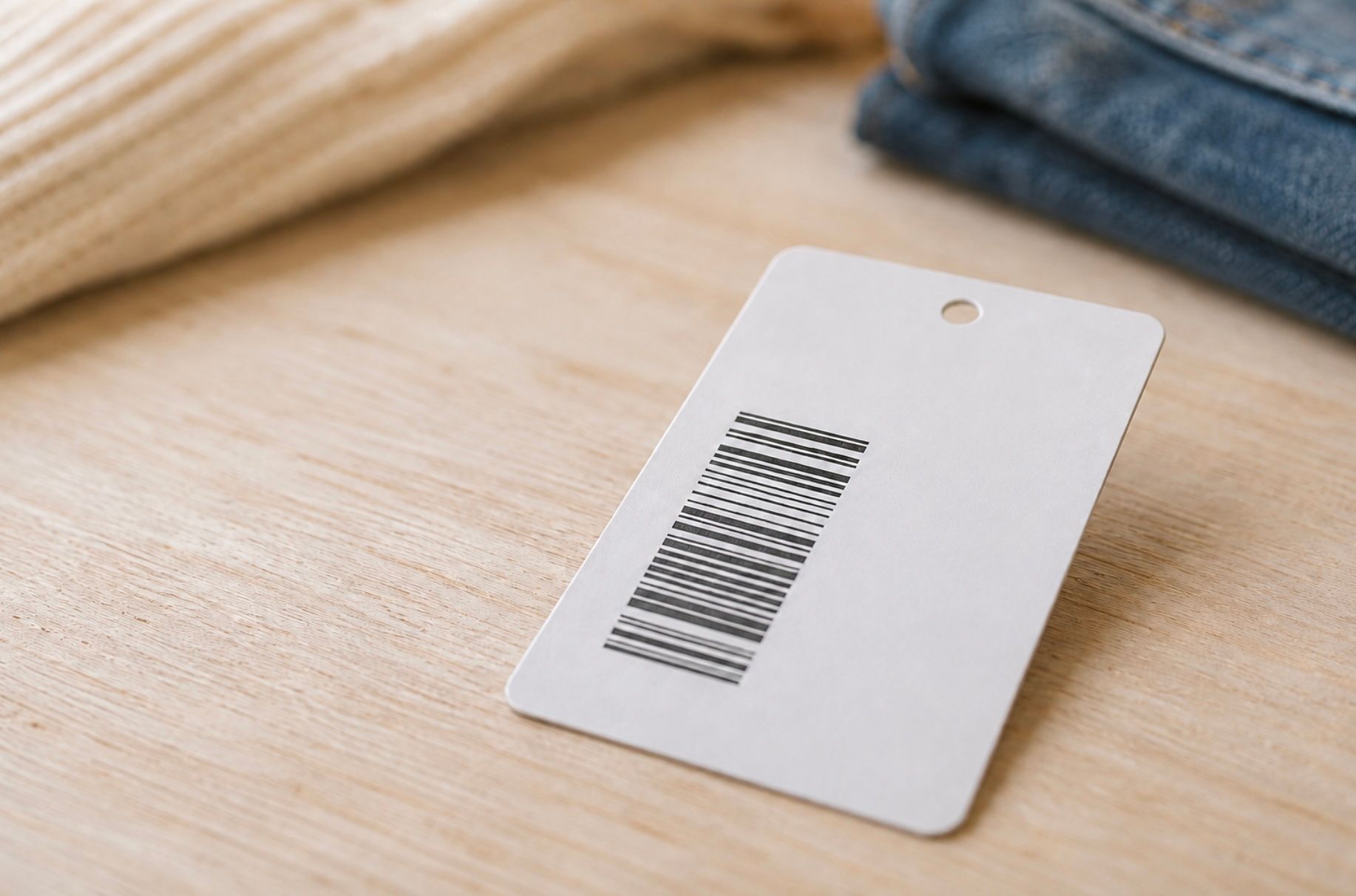
A barcode is an optical technology. The printed lines encode a number, and a scanner reads it with a beam of light. That means the scanner needs a clear, direct view of the code. One scan reads one barcode, and a person has to point the scanner at each item in turn.
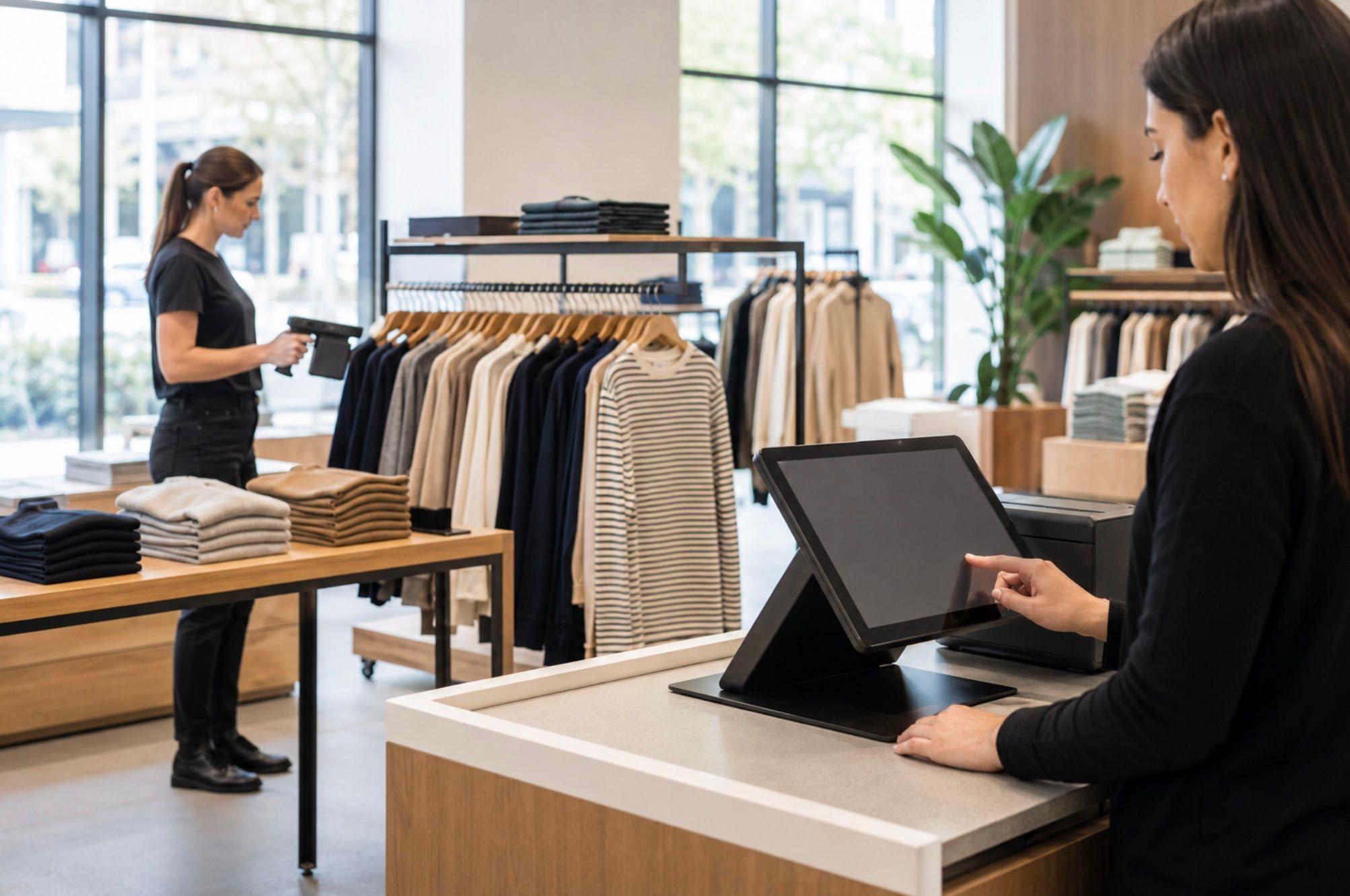
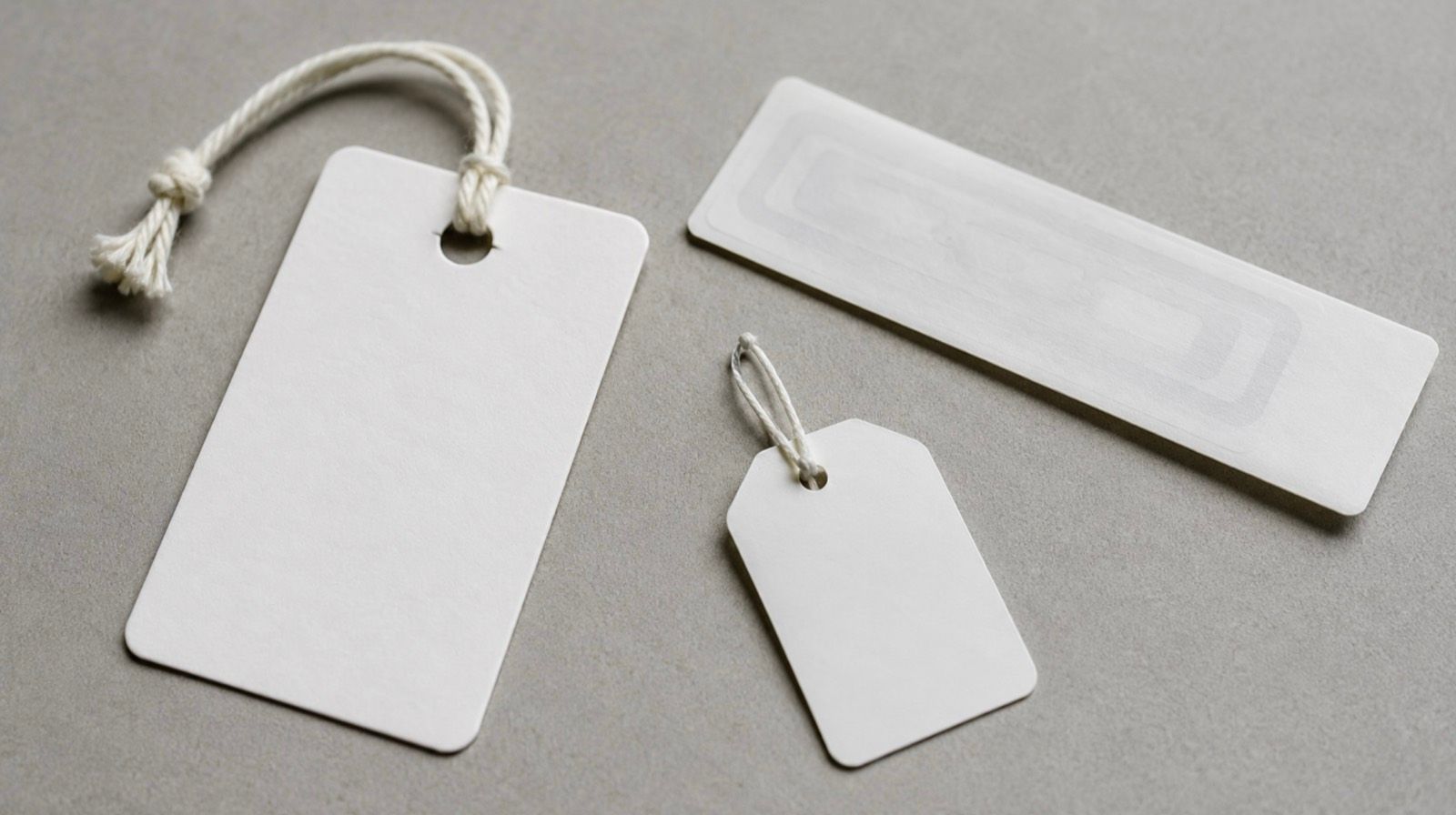
RFID is a radio technology. A small tag carries a chip and an antenna, and a reader sends out a radio signal that the tag answers back with its unique identifier. No light and no direct view are required. One sweep of a handheld reader such as the C8001 energizes every tag in range at the same time and collects them all in one motion. For a fuller walkthrough, see how RFID inventory counting works.
That single difference, light versus radio, is what drives almost everything else.
Side by side
Here is how the two compare on the things that matter for inventory.
- Line of sight. A barcode must be seen to be scanned. An RFID tag does not, so it can be read inside a folded stack, a sealed box, or a packed rack.
- Reading in bulk. A barcode is one scan per item. An RFID reader captures many tags per second across a whole shelf or bay in one pass.
- Counting speed. Because of bulk reads, an RFID cycle count is far faster than walking the same floor with a barcode scanner. A count that tied up staff for a full day can be done in a fraction of the time.
- Accuracy over time. RFID counts are quick enough to repeat often, so inventory records stay close to reality all year instead of drifting until the annual count.
- Unique identity. A standard retail barcode usually identifies the product type, so two identical shirts share one code. An RFID tag carries a unique serial number, so each individual item can be told apart.
- Cost per tag. A printed barcode is essentially free. An RFID label costs more per piece, though the gap has narrowed a lot and the labor saved on counting often outweighs it.
- Durability and range. Barcodes smudge, tear, and fail if damaged. RFID tags are more forgiving and read from a distance rather than at point blank range.
Where the barcode still wins
RFID does not make the barcode obsolete, and it is worth being clear about that.
Barcodes are effectively free to produce, they are universally supported by every point of sale, and they are perfect for the single read at checkout where a cashier is already handling one item at a time. For a small catalog, a low volume store, or a business that only needs to identify items at the register, barcodes alone may be all you need.
The barcode’s weakness is not identification. It is scale. The moment you need to count a lot of items quickly and often, scanning one code at a time becomes the bottleneck.
Where RFID wins
RFID earns its place the moment counting becomes the job. Cycle counts, stockroom audits, and keeping online stock numbers honest are all tasks where reading in bulk changes what is possible.
A store that struggled to count once a year can count a department in a morning, and because it is that easy, it counts often. That frequency is where the real payoff lives: fewer stockouts, fewer oversells online, replenishment driven by real shelf levels, and discrepancies caught in days rather than at year end. We go deeper on that case in why RSG RFID.
Do you have to choose?
In most stores, no. The two technologies sit together comfortably. Many retailers keep barcodes for the register and add RFID for inventory counting, so each system does what it is best at. The barcode handles the single sale, and RFID handles the bulk count behind it.
You also do not have to convert your whole store at once. Most retailers start with one category or one stockroom, prove the workflow, and expand from there. The hardware is the same whether you run one store or fifty.
Getting started
If your inventory numbers are slow to gather and quick to drift, that is the signal that counting has outgrown the barcode. The RFID starter kit is sized for a single location and includes the reader, the label printer, labels, and a year of indexRFID software, which is everything needed to run your first count.
We supply the hardware, the software, and the support, and we have been working inside U.S. retail since 2004. If you want to talk through whether RFID fits your store, contact Retail Security Group.