

Blog
RFID inventory, explained for U.S. retailers
Practical guides on how RFID counting works, which labels fit your products, and how stores put it to work. Written by the Retail Security Group team.

RFID for Beauty and Cosmetics Retail: Counting Thousands of SKUs
Beauty stores pack thousands of small, similar products into a tight footprint, which makes counting slow and error prone. Here is how RFID counts a dense cosmetics assortment fast, and how liquids and metal packaging change the way you tag.
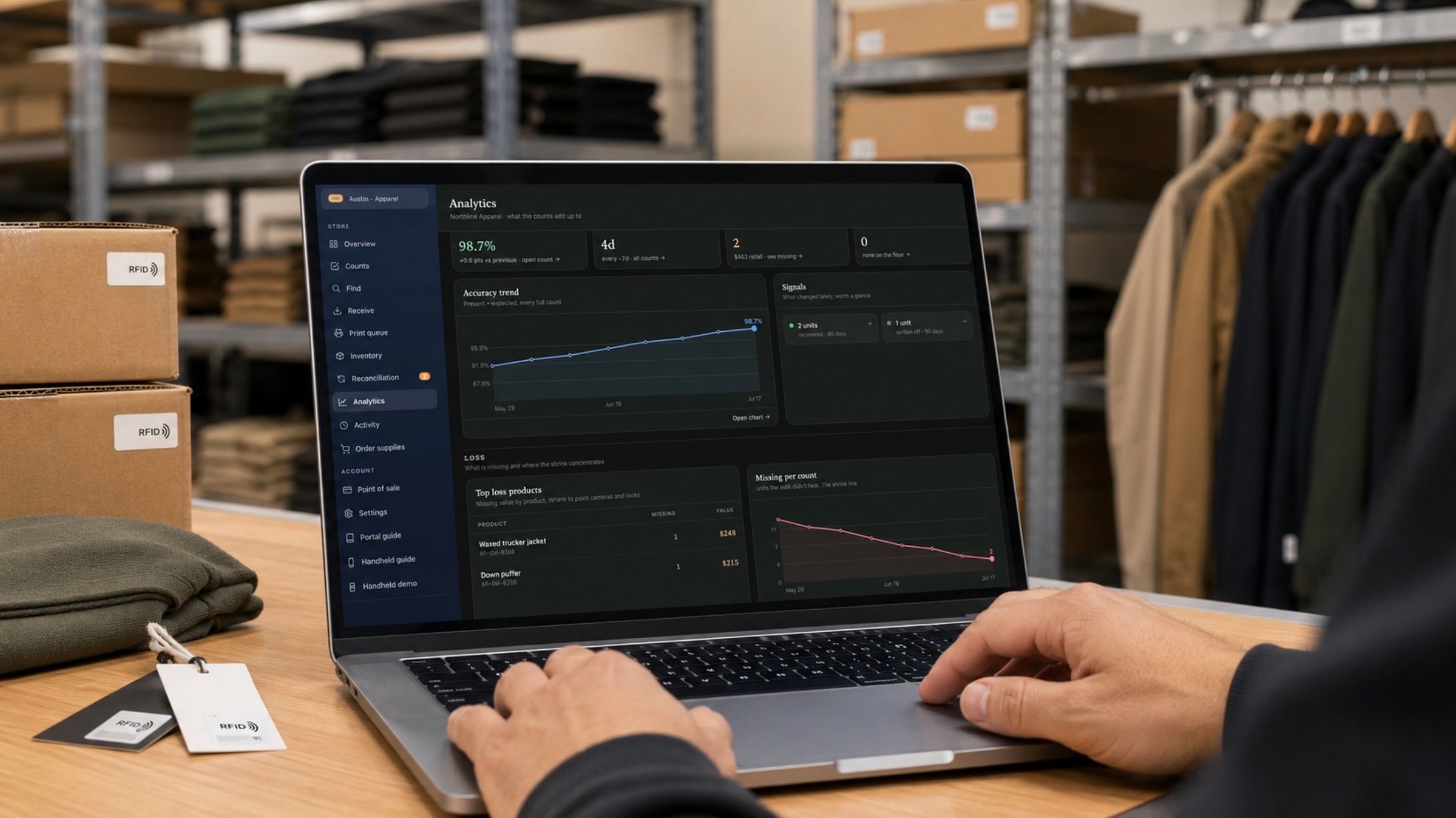
How to Roll Out RFID Across Several Stores
Rolling RFID out to more than one store works best in waves, not all at once. Here is how to sequence a rollout: which store goes first, what to standardize, and how the tools scale.
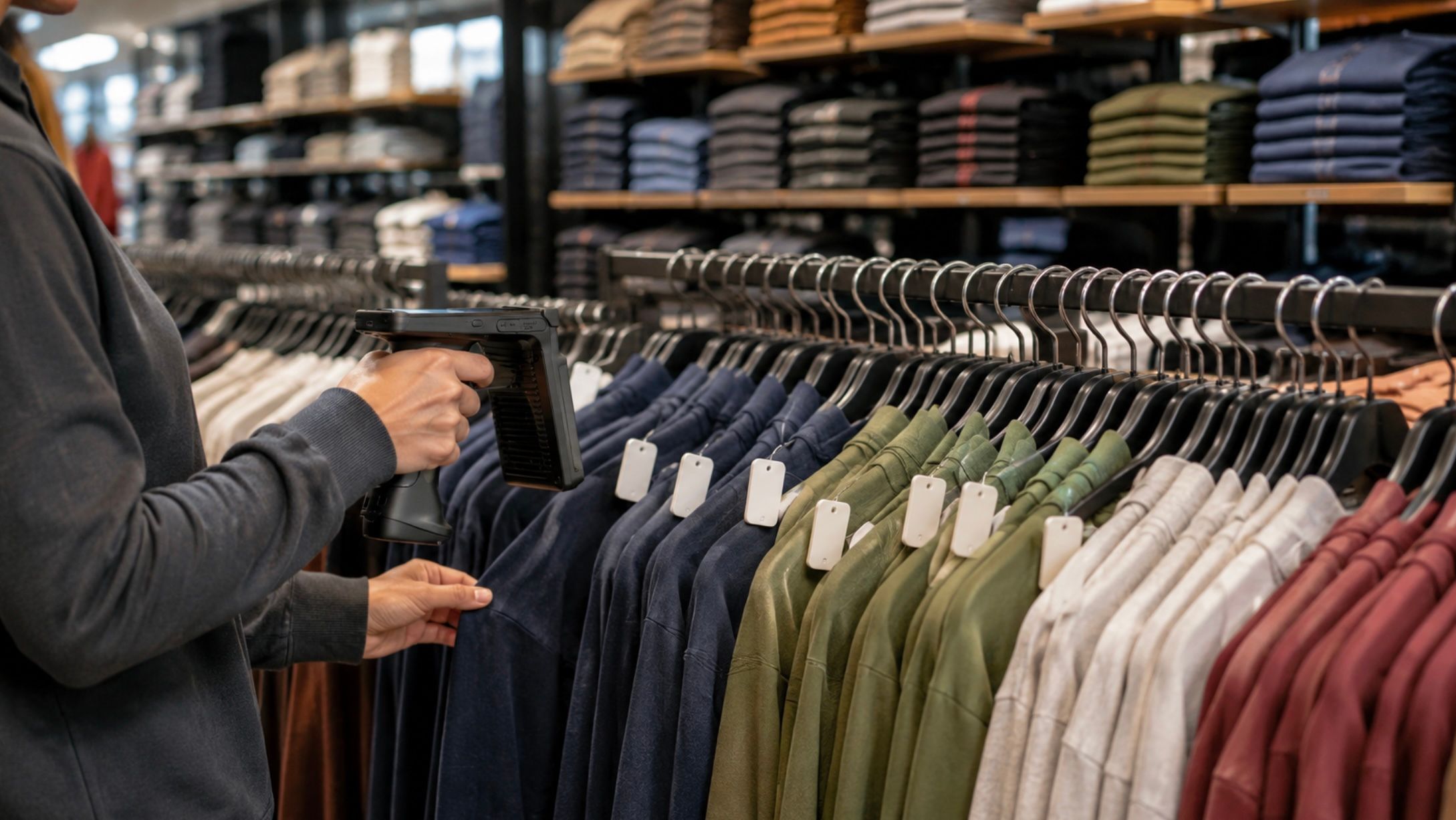
RFID for Peak Season: Keeping Your Count Honest Through the Rush
Your busiest weeks are also the weeks your inventory count drifts fastest. Here is how frequent RFID cycle counts keep records close to reality when volume spikes.
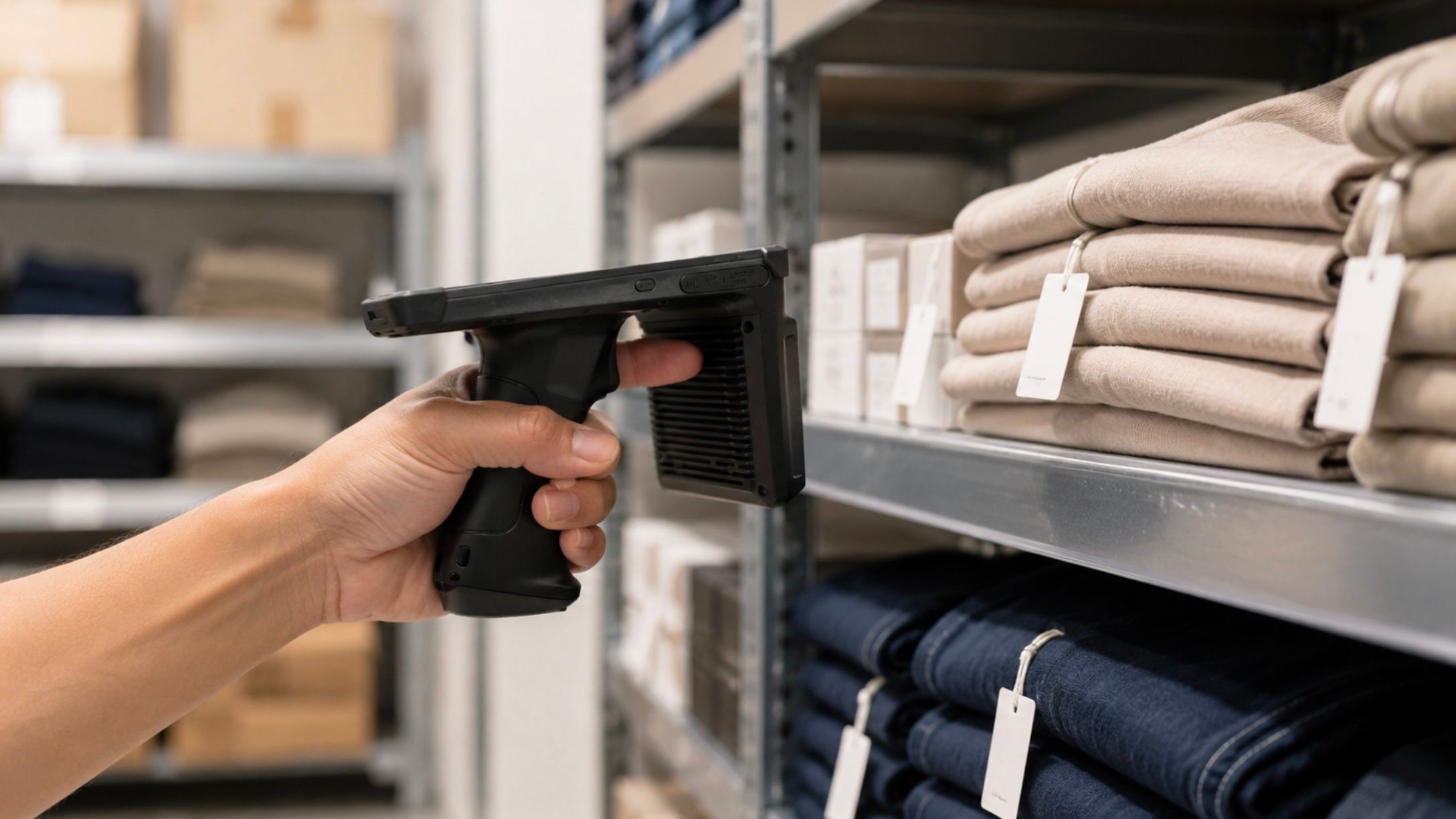
Not All Shrink Is Theft: Separating Real Loss From Record Error With RFID
A large share of what stores write off as shrink is inventory record error, not theft. Here is how frequent RFID cycle counts tell the two apart.

RFID for Ship from Store: Fulfilling Online Orders from Store Stock
Ship from store and buy online pickup in store turn your shop into a fulfillment center, but only if the count is right. Here is how RFID keeps store inventory accurate enough to fulfill online orders without canceling them.
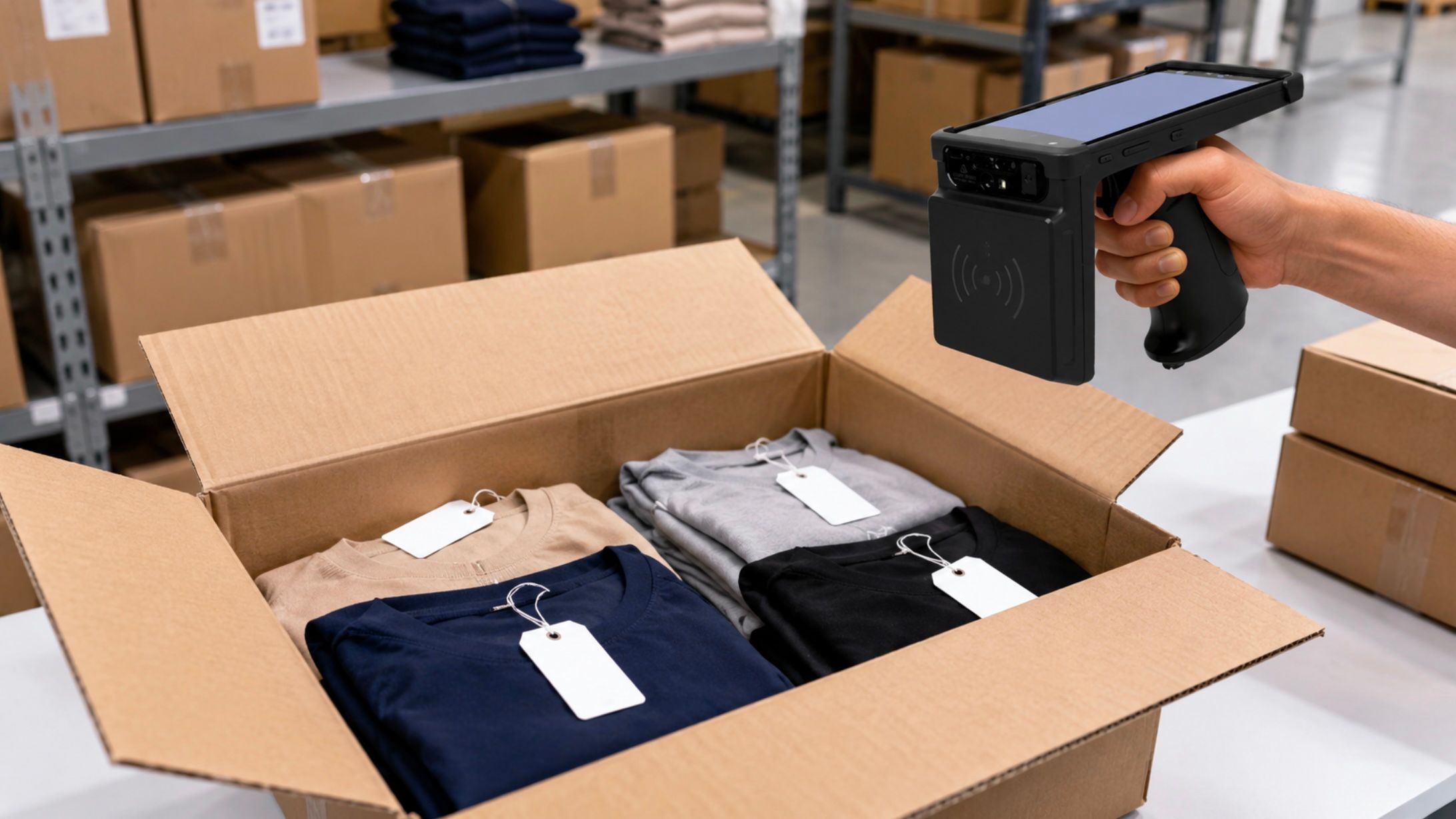
RFID at Receiving: Catch Shipment Errors Before Stock Hits the Floor
Most inventory error is born at the loading dock, not the sales floor. Here is how RFID checks an inbound shipment against your purchase order in one sweep, before the stock is put away.
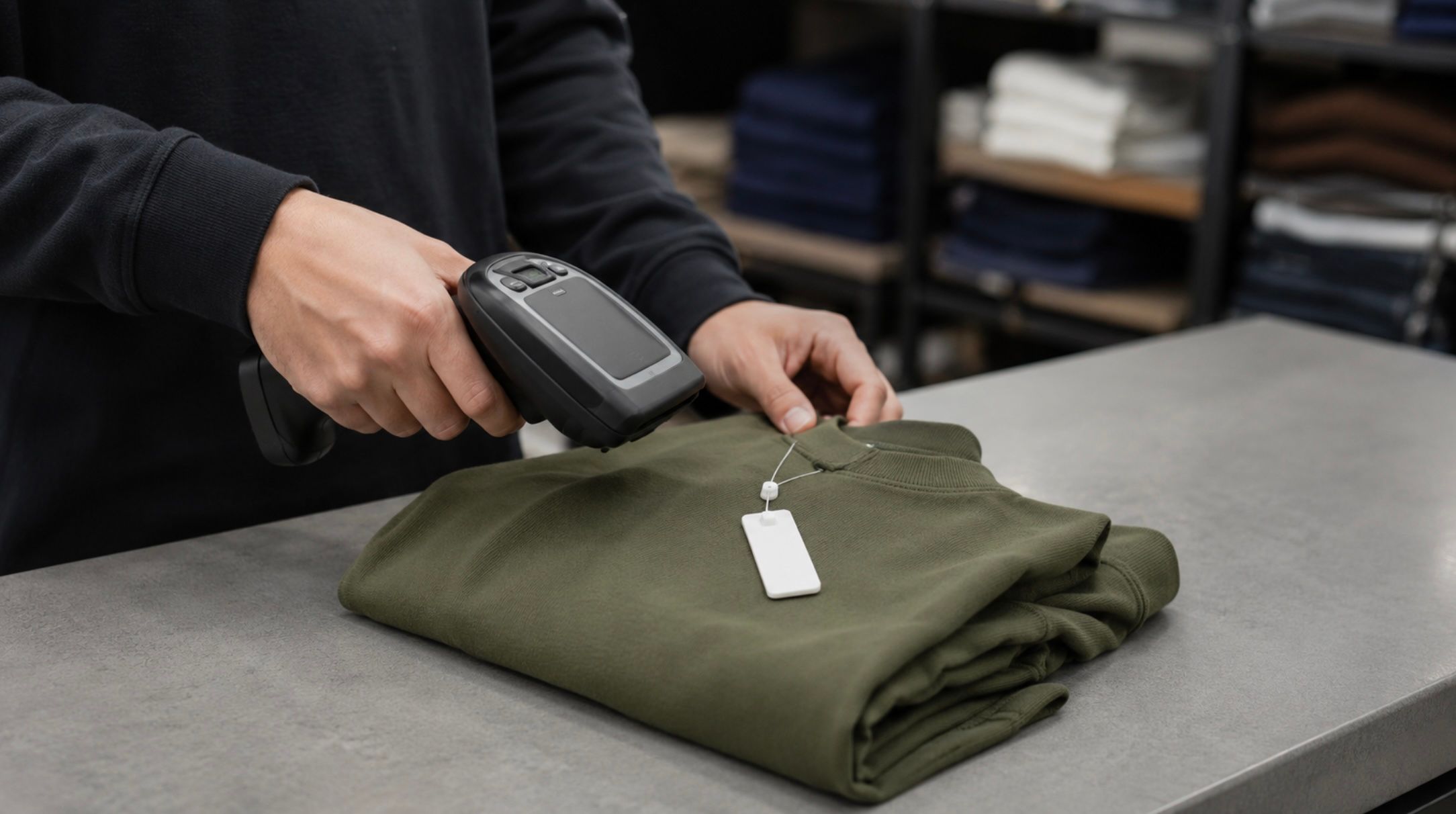
RFID for Returns: Getting Returned Stock Back on the Floor Faster
Returns tie up inventory that should be selling. Here is how item level RFID gets a returned unit identified, verified, and back into an accurate count in minutes.
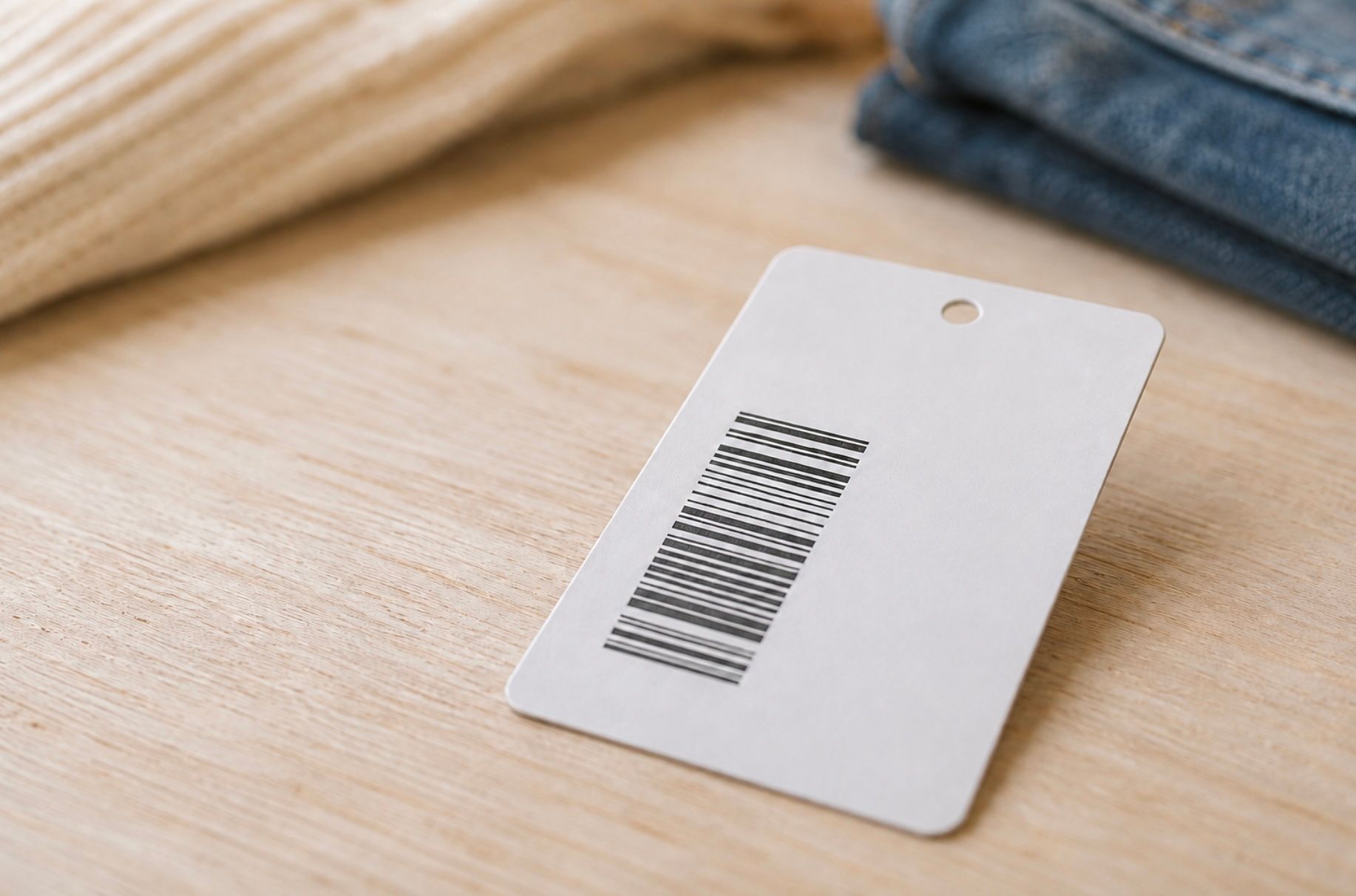
RFID vs Barcode: Which Is Better for Retail Inventory?
RFID and barcodes both identify products, but they count inventory very differently. Here is how they compare on speed, accuracy, cost, and when to use each.
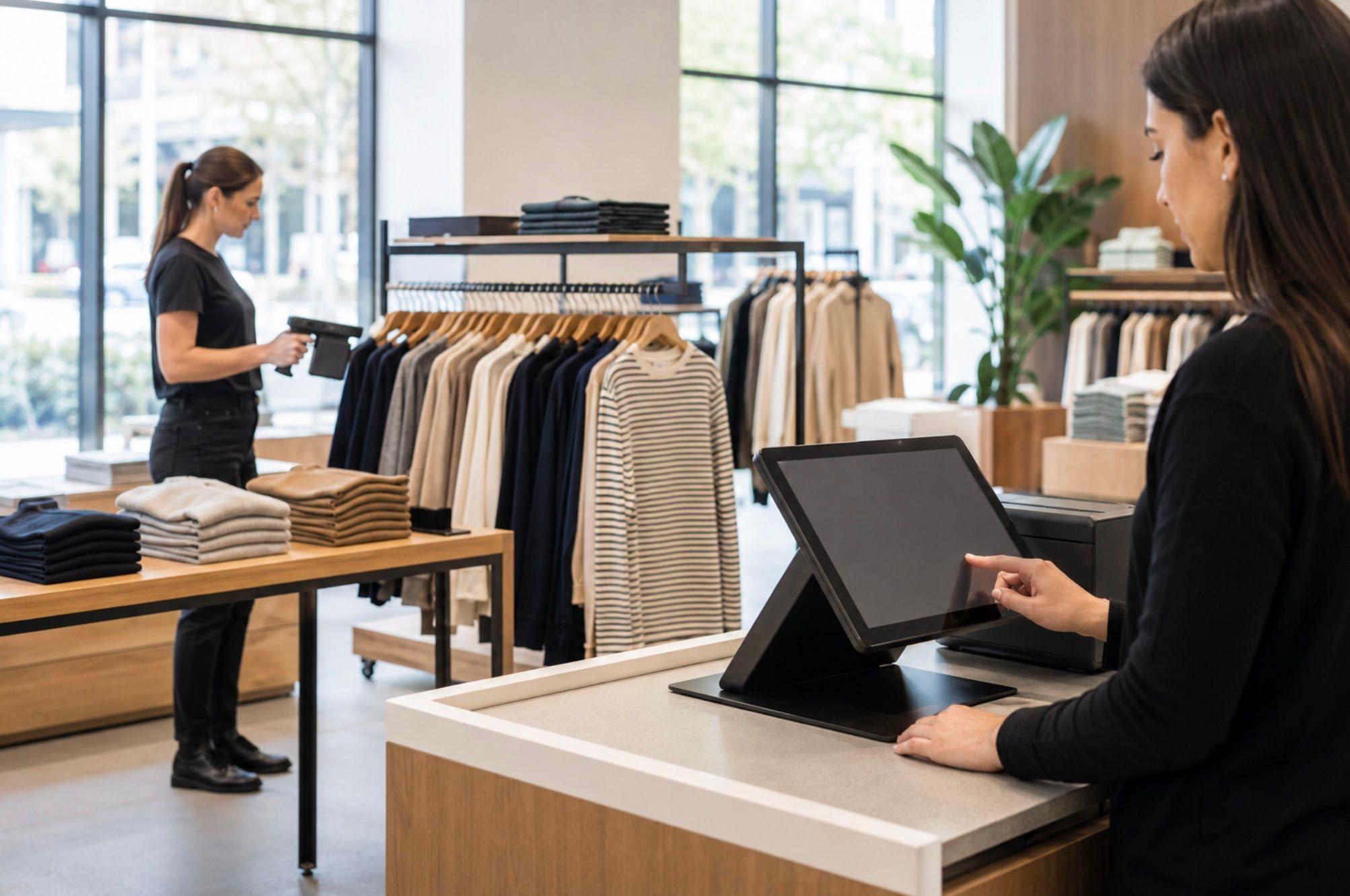
RFID and Your POS: Counting Inventory Without Replacing Your Checkout
RFID inventory counting does not replace your point of sale. Here is how it works alongside Shopify, Square, Lightspeed, or any POS you already run.

RFID for Jewelry Retail: Tracking Small, High Value Inventory
Jewelry is the most valuable inventory in the store and the slowest to count. Here is why RFID fits the category, the engineering problem it had to solve, and what a rollout looks like.
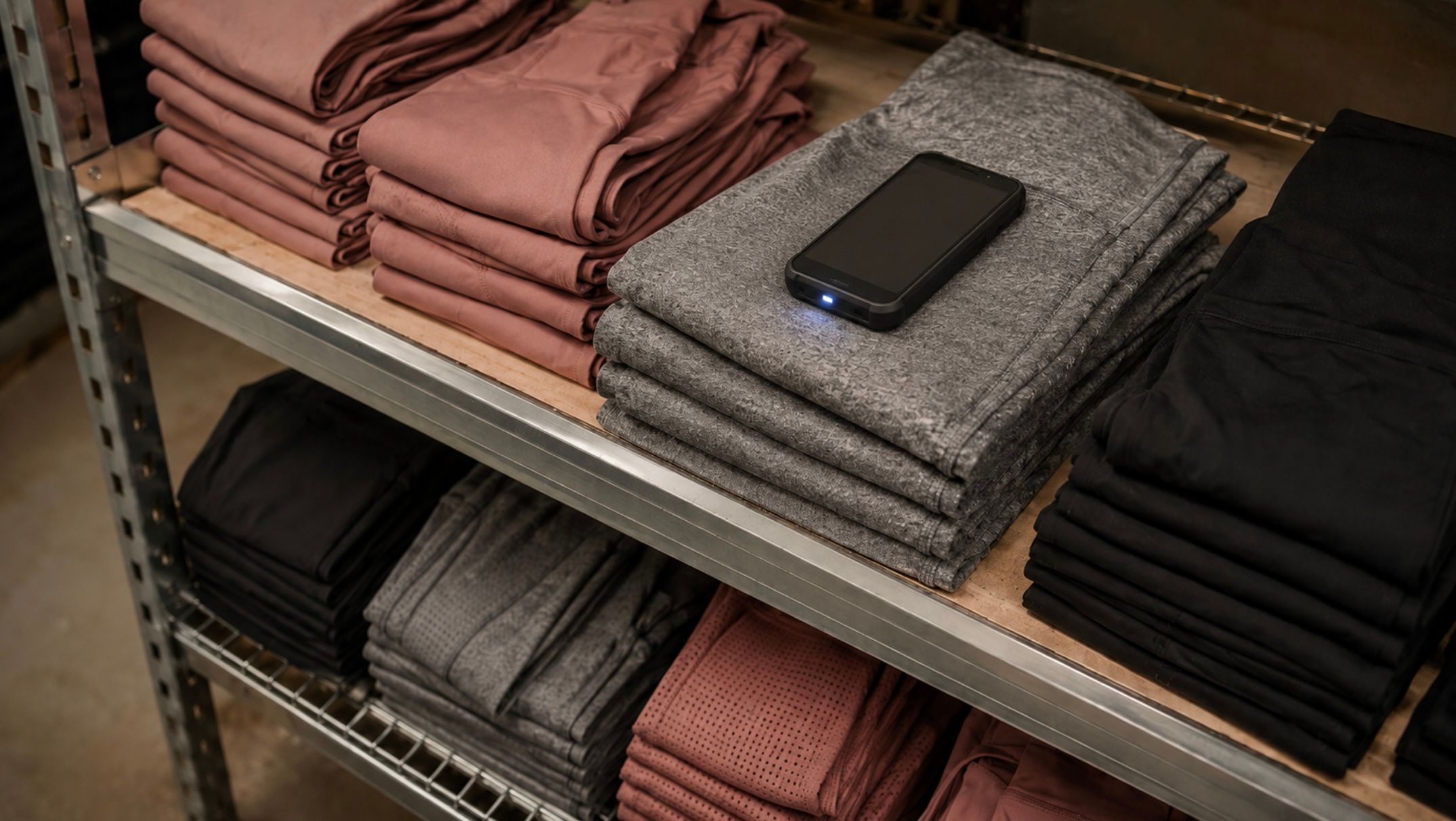
What Lululemon's RFID Rollout Teaches Retailers About Inventory Accuracy
Lululemon used source tagging and weekly cycle counts to reach roughly 98 percent inventory accuracy. Here is the playbook, the verified numbers, and what any retailer can copy.
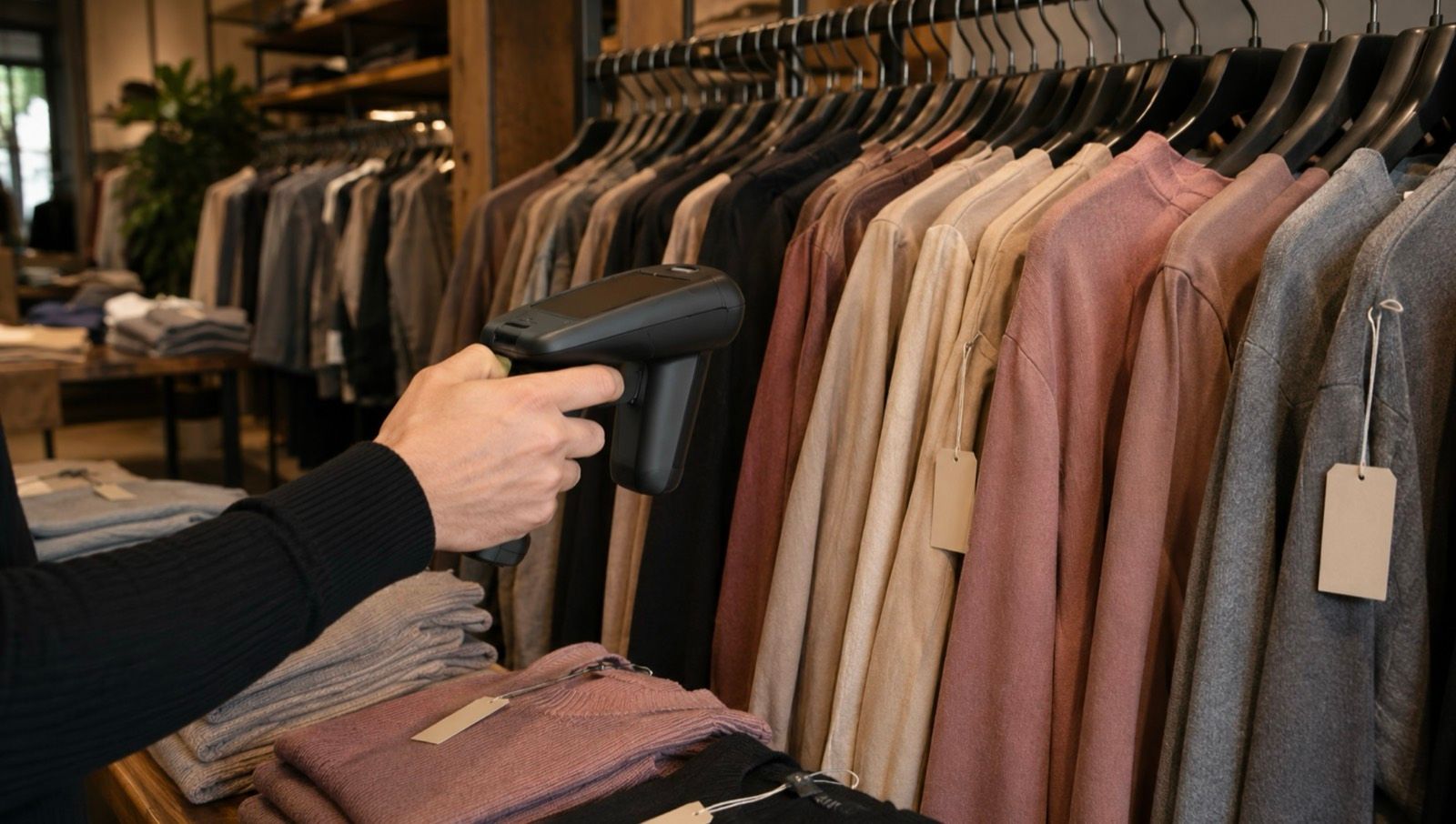
RFID for Apparel Retail: From Stockroom to Sales Floor
Apparel was the first retail category to adopt RFID at scale. A look at the specific problems it solves for clothing and footwear stores, and how a rollout actually unfolds.
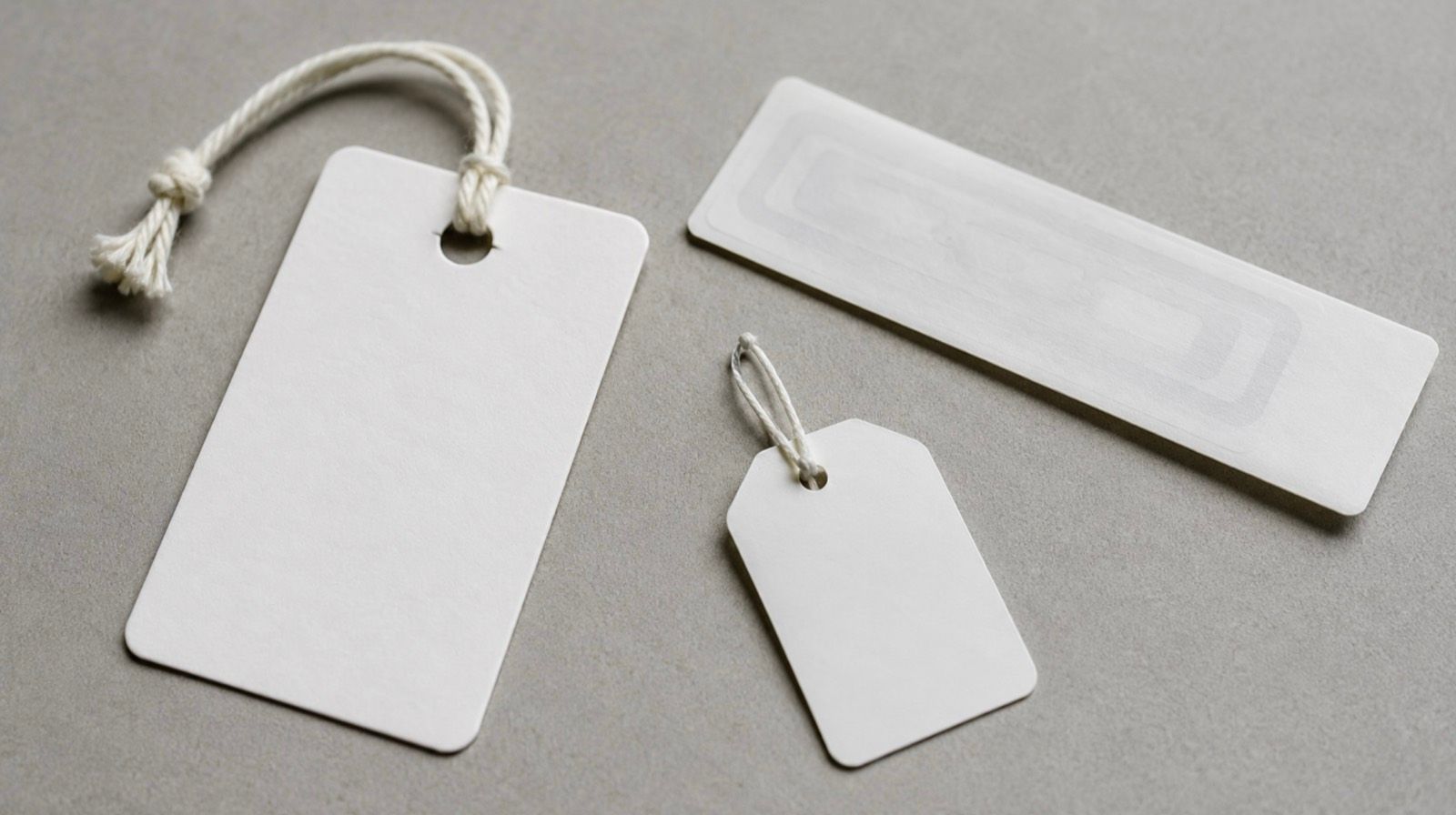
Choosing the Right RFID Label for Your Products
Apparel hangtags, adhesive labels, and jewelry tags each suit a different kind of product. A buyer's guide to matching the label to what you actually sell.

How RFID Inventory Counting Works in a Retail Store
A plain English walkthrough of how RFID tags, handheld readers, and inventory software replace item by item scanning with much faster cycle counts.
Ready to see RFID in your store?
Hardware, software, and U.S. support from one team. Talk it through with Retail Security Group.